CONN·EXION
Lifecycle
The spore is the starting point of mold. It is microscopic, lightweight, and spreads through air and movement.
When the spore reaches a suitable surface, it attaches itself. Moisture, temperature, and nutrients determine whether growth can begin.
Under the right conditions, the spore becomes active. It forms the first fine filaments and begins to connect with the surface.
The filaments branch into a dense network. This mycelium is the actual growth system of mold and spreads beneath the surface.
The mycelium continues to grow across the material and penetrates deeper into its surroundings. In this way, the mold accesses new nutrients and expands its habitat.
As it grows, mold breaks down organic material. The surface visibly changes, making decay perceptible as an active process.
Under suitable conditions, reproductive structures emerge. They make the mold more visible and mark the transition toward reproduction.
In the final stage, the mold produces new spores. They are released, spread again, and continue the cycle.
Connection
Connection Stage: 00.00%Decay
Uses

Certain molds produce substances that kill bacteria. This led to penicillin, one of the most important medicines in modern healthcare.
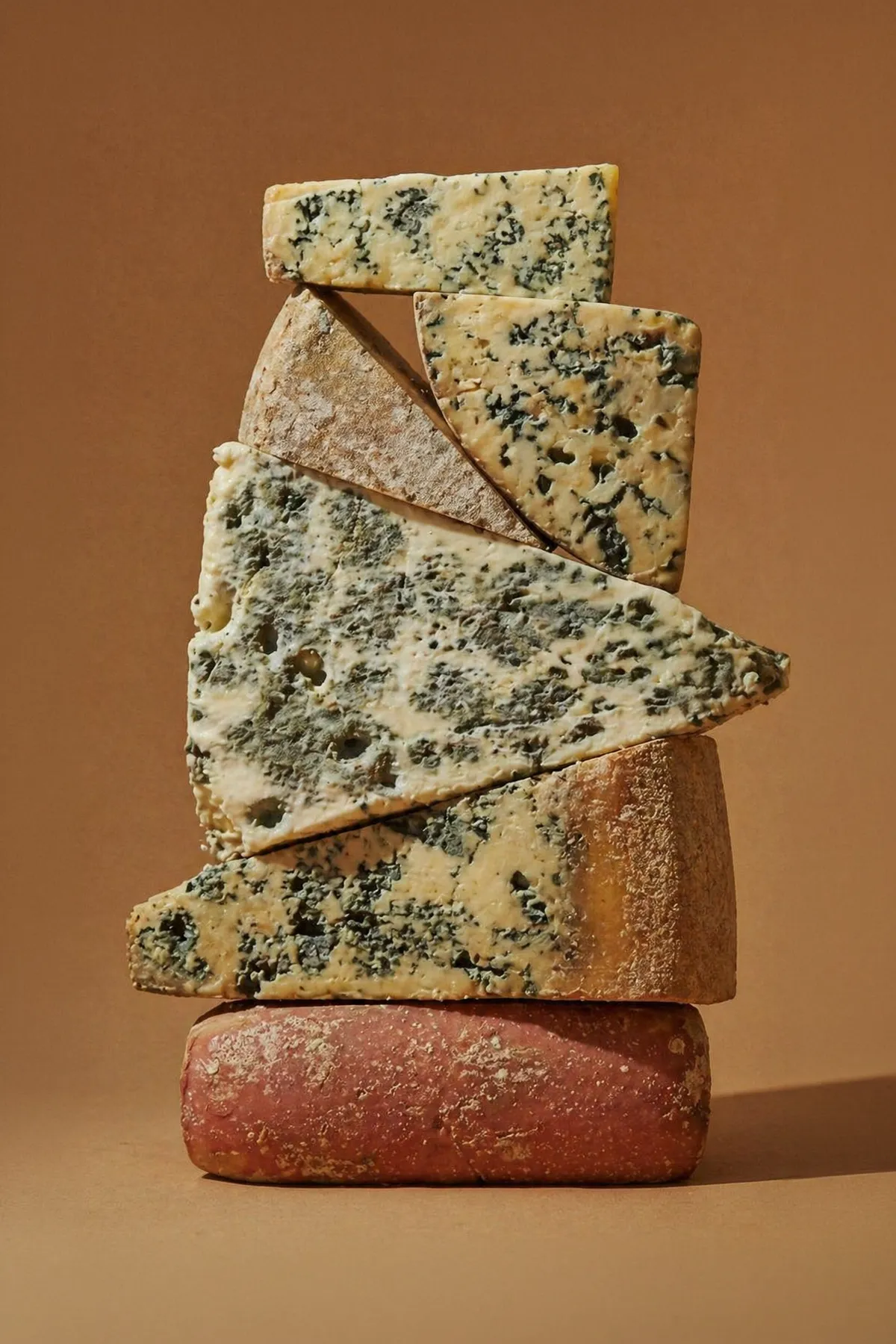
Mold is used to shape flavor and texture during maturation. This process creates products like blue cheese with their distinctive character.
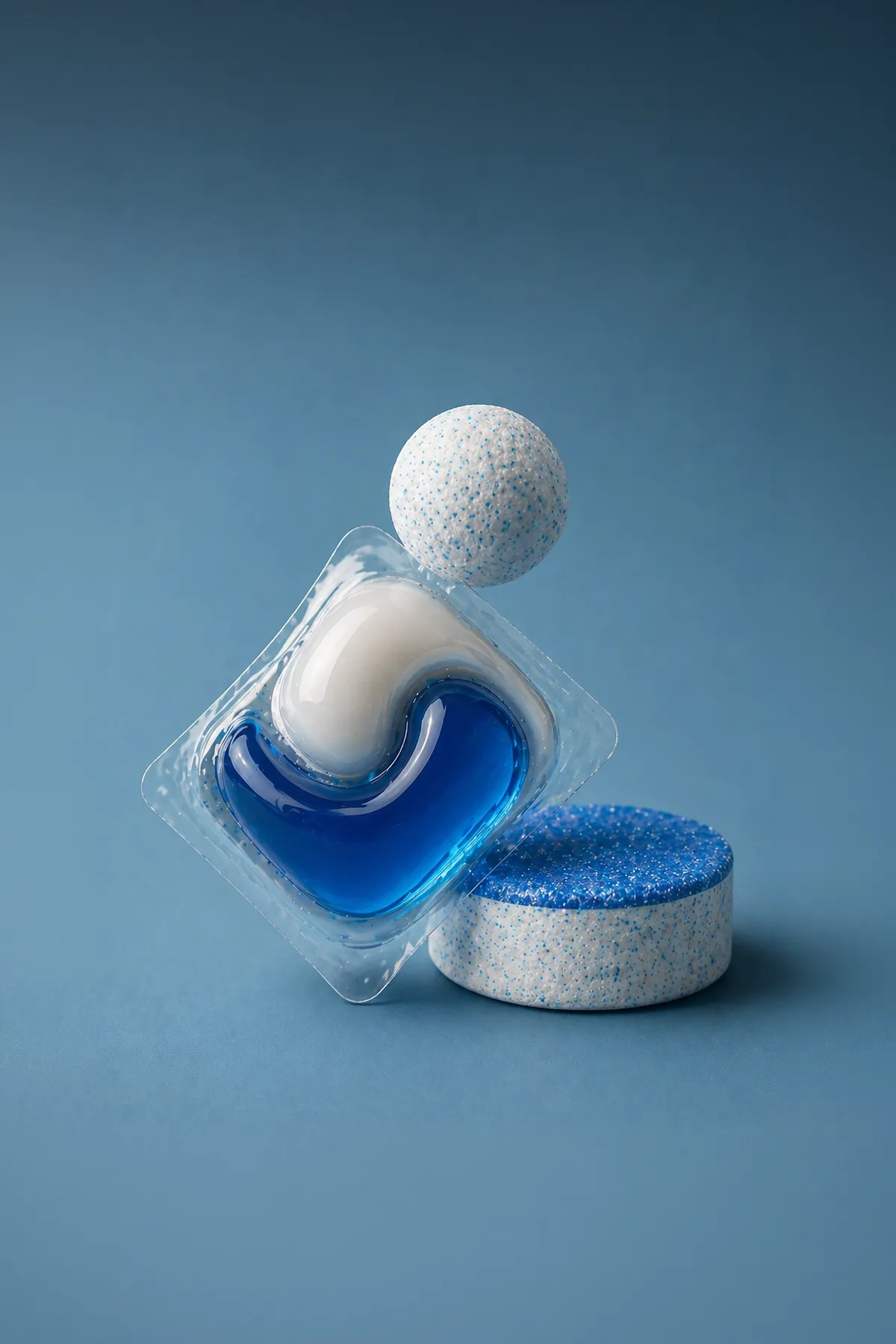
Molds produce enzymes that break down organic material. These enzymes are used in detergents to effectively remove stains.
Cultures Stack
.